01 / CHAPTER
Background and Role
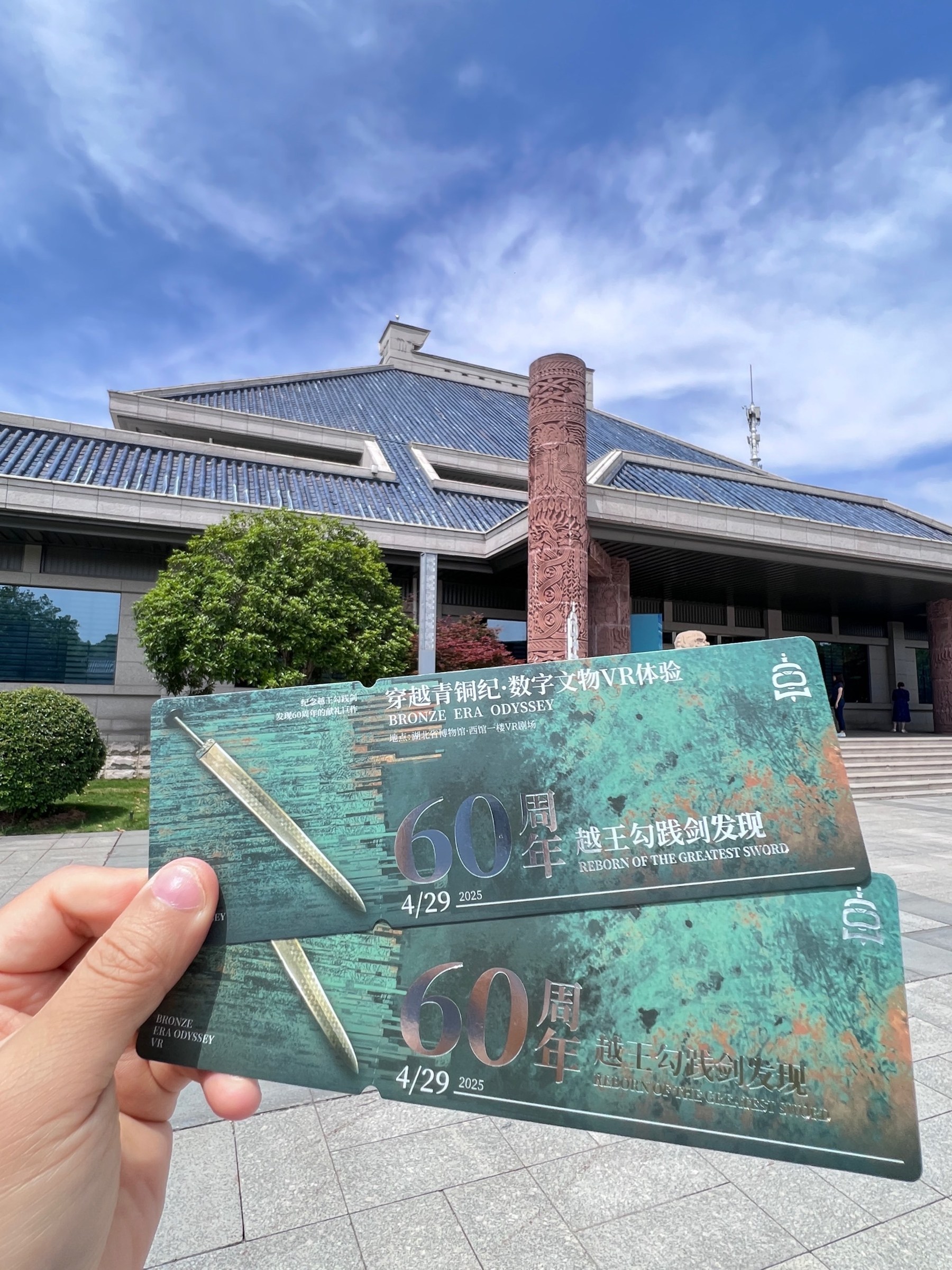
Timing: Preparation ran from December 2024 through April 2025. The experience opened on April 29, 2025.
Objective: Convert x% of the museum’s monthly visitors (confidential) into ticket buyers in the first month, explore leads and agency and franchise opportunities for future VR and cultural tourism projects, and secure government support and media coverage. The campaign targeted 10 million impressions within two months of launch and had to stay within budget.
Role: As project marketing lead, I set goals and strategy, directed communications, assembled a dedicated team and a cross-functional working group, and managed staffing and budget. I coordinated with the museum, investors, and production partners, guided visual identity and content across channels, built the ticket marketing and online travel agency (OTA) setup, led the rollout of in-museum signage, and directed the launch event. I worked with about 50 cross-functional partners across VR development, venue operations, animation, the mini program, merchandise, finance, HR, and business development. Team members handled owned-channel content, influencer placements, and copywriting.
02 / CHAPTER
Project Challenges
- Breaking new ground with the business model. The project was a first for everyone leading it. We had to test what was possible, secure approvals, and get the experience to market while finding the right positioning and marketing strategy in a crowded market. That took a high degree of expertise, resilience, and coordination.
- A short runway with online and on-site work in parallel. Alongside the digital campaign, we had to build an on-site operations team and develop a venue that supported the marketing plan. Several teams had to deliver at the same time while maintaining quality.
- Keeping multiple partners aligned. The project involved companies, government agencies, investors, other production teams, and commercial partners. We had to keep everyone up to date and communicate accurately, efficiently, and transparently.
03 / CHAPTER
On-Site Ticket Conversion
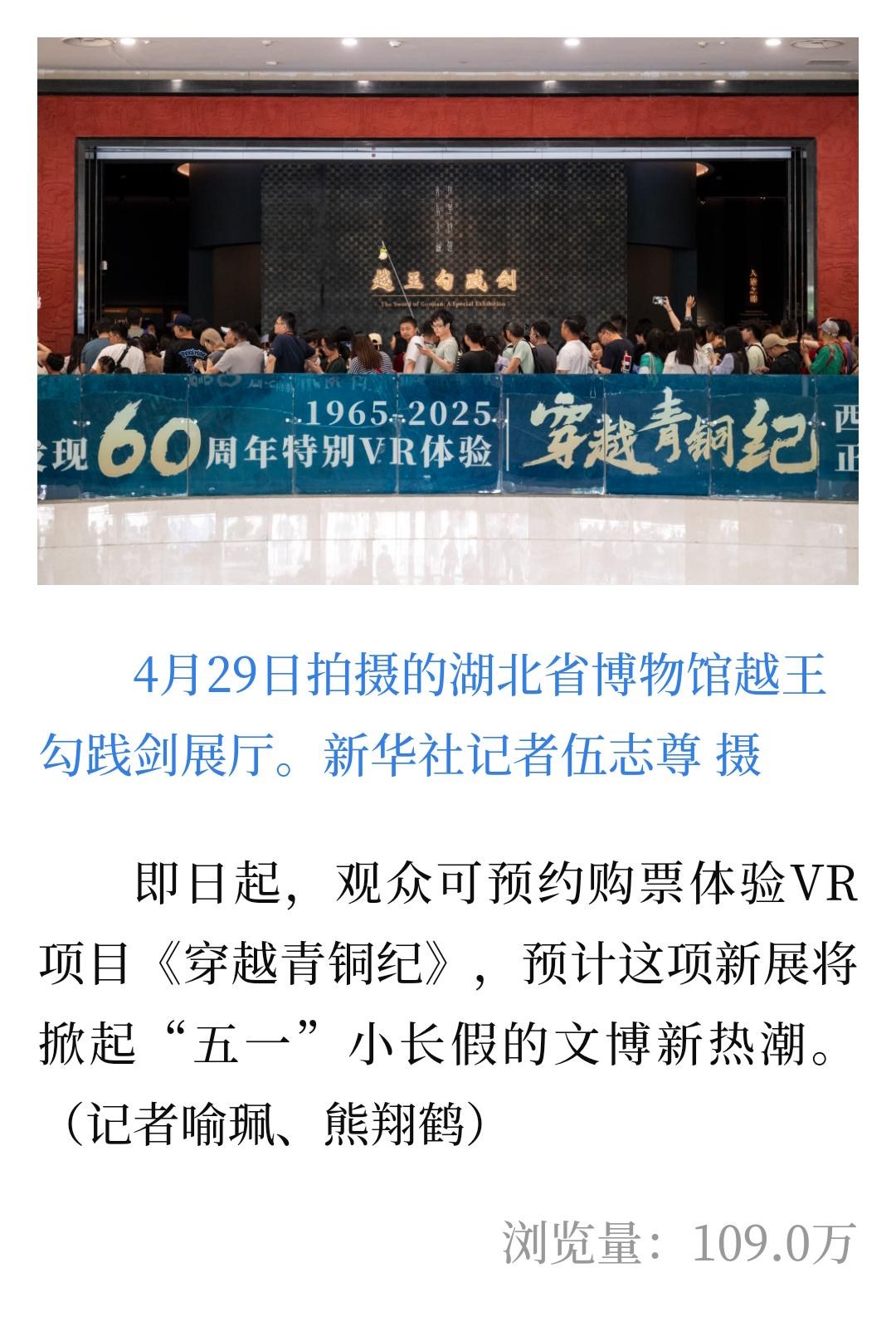
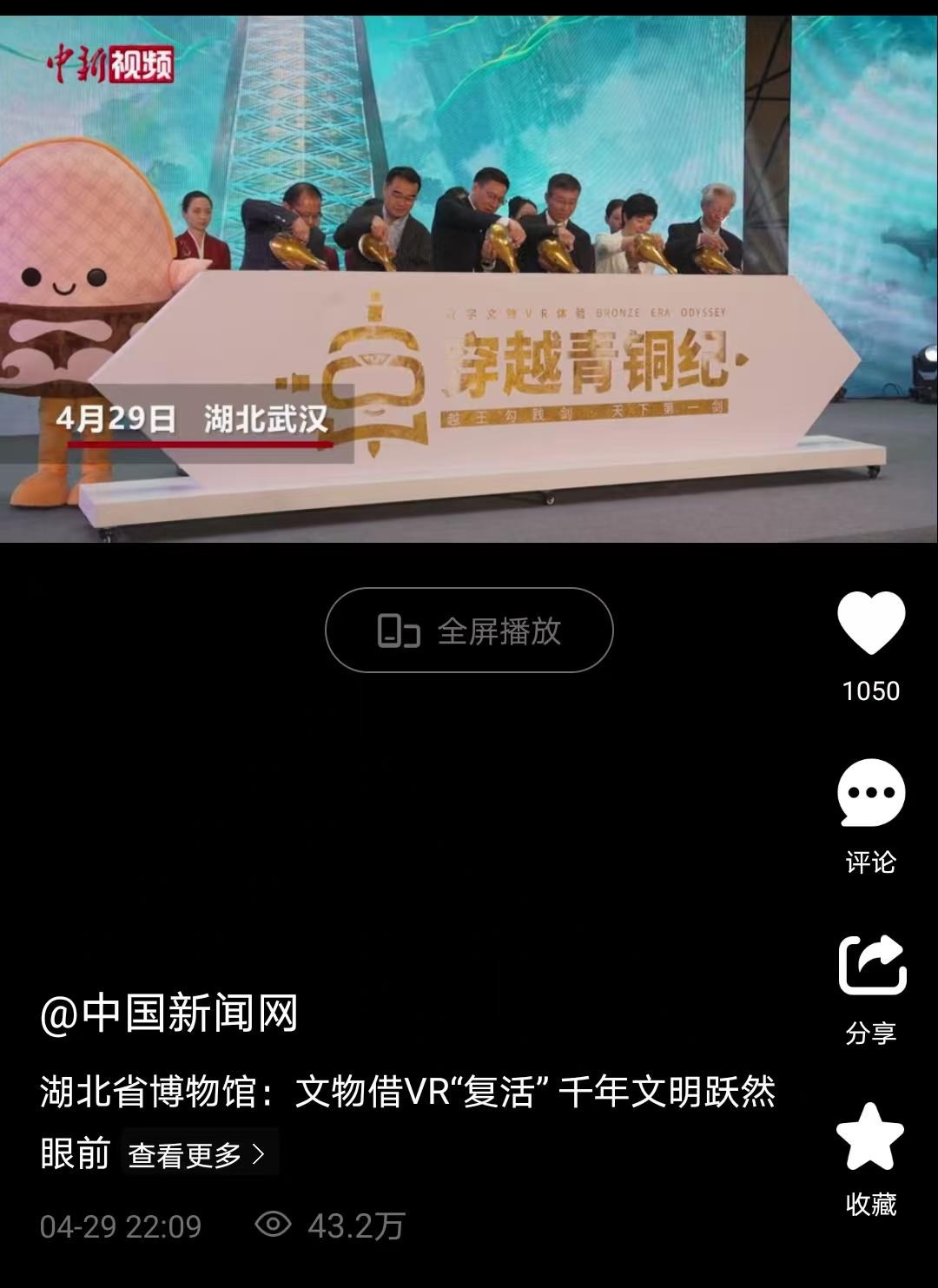
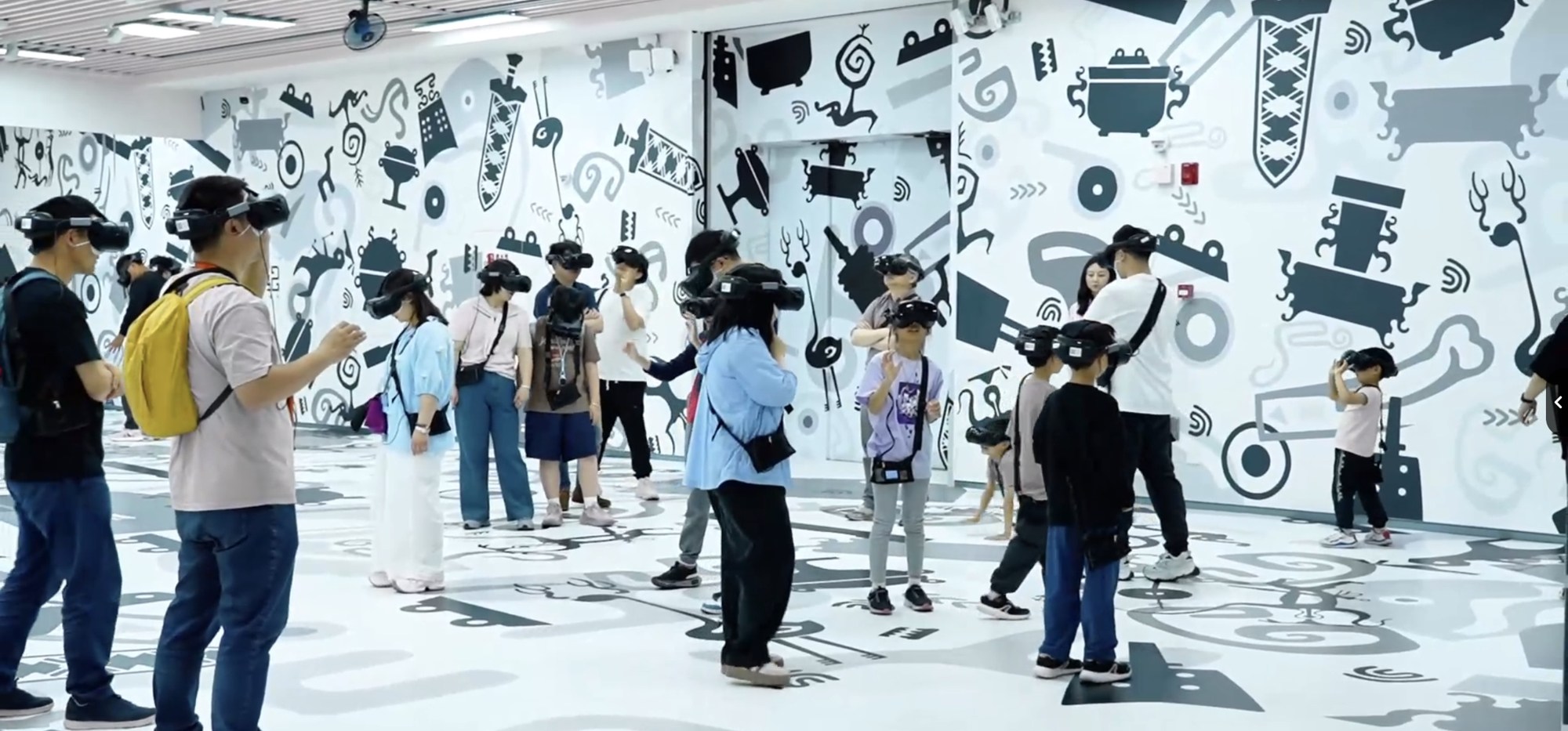
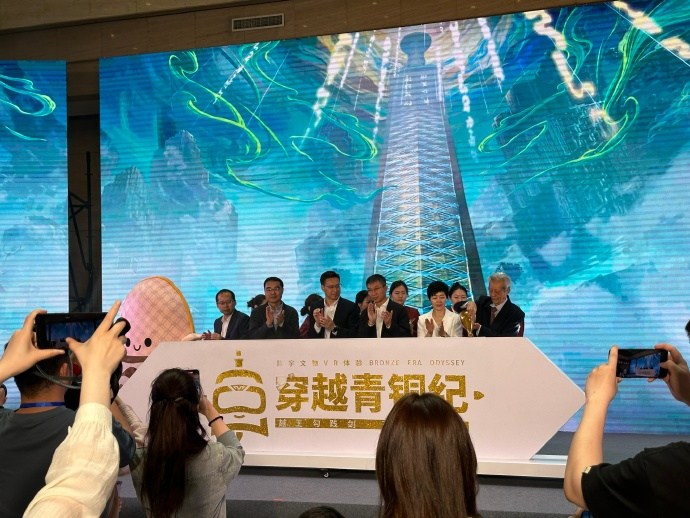
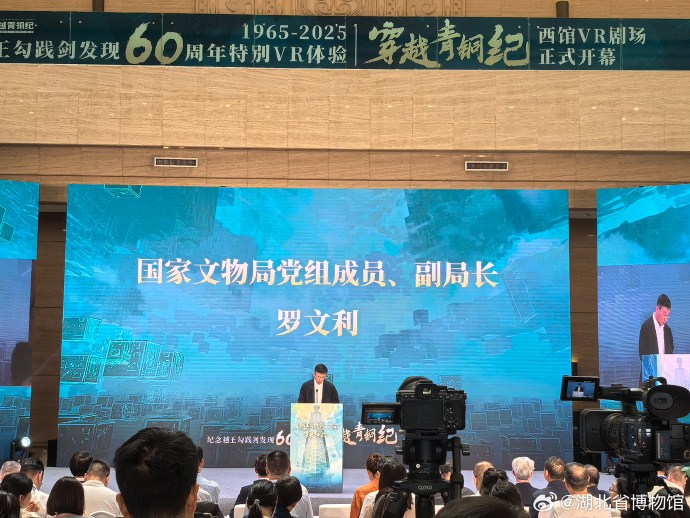
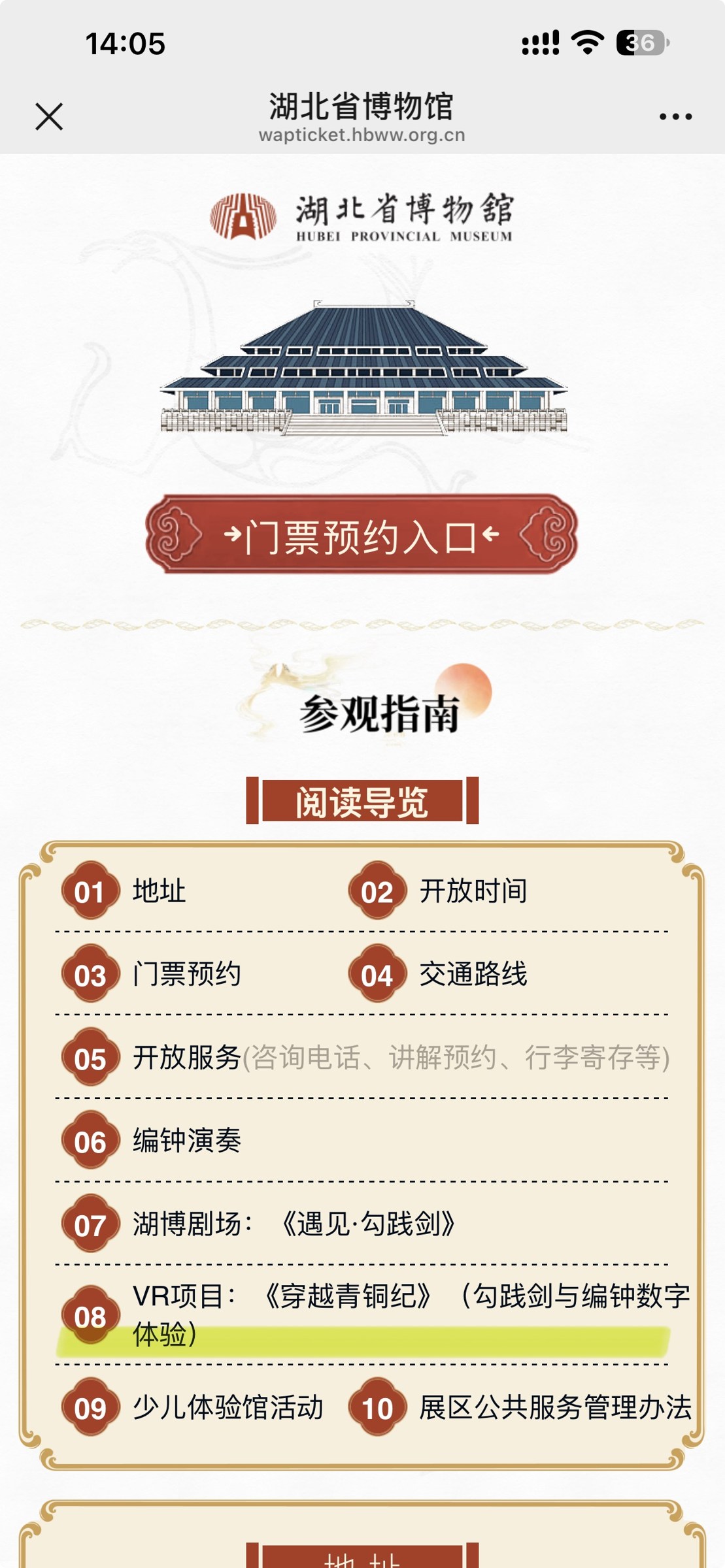
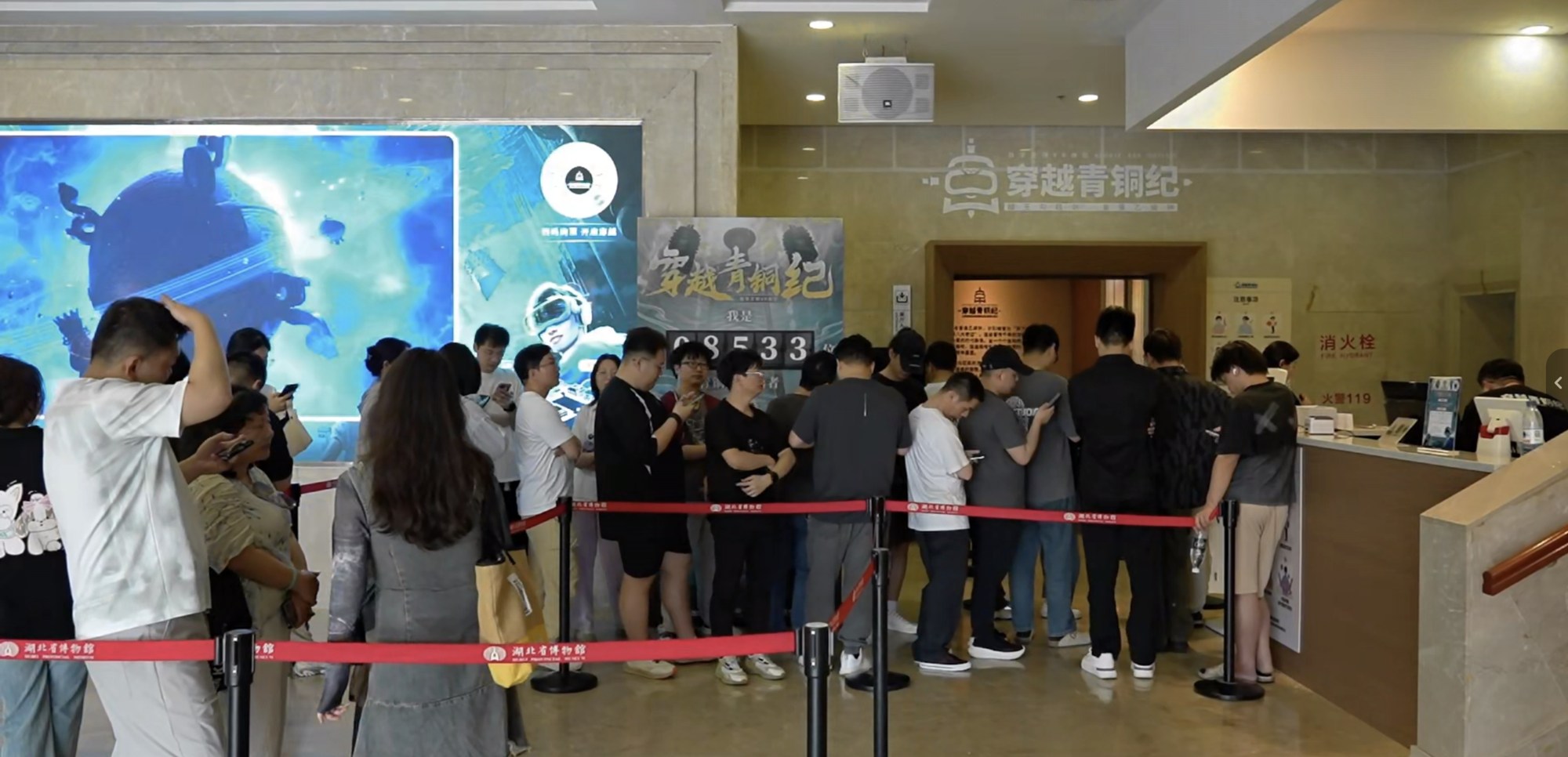
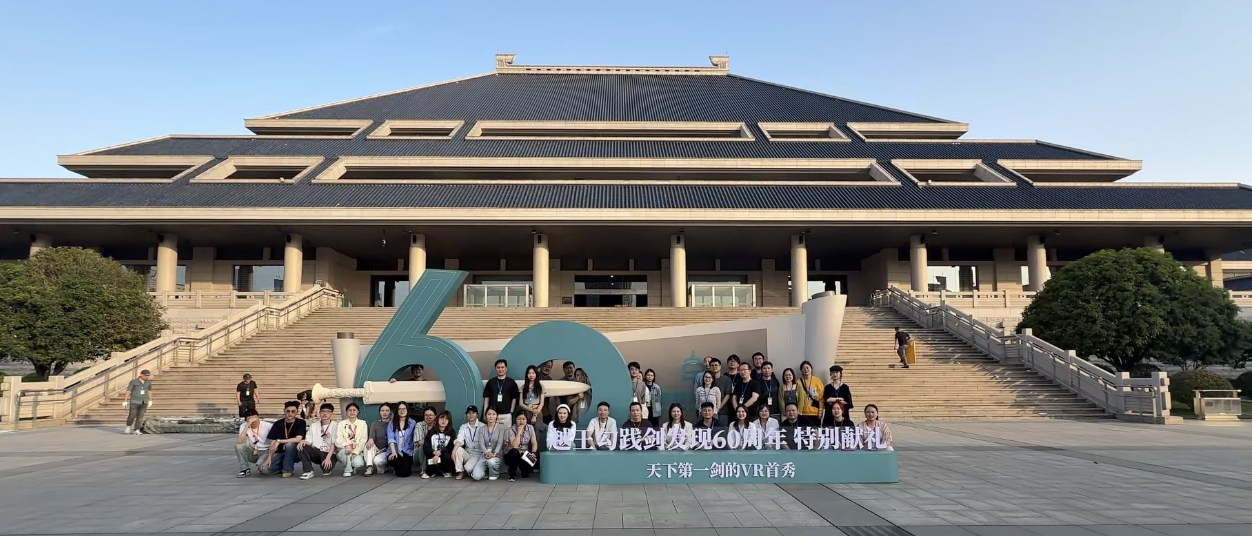
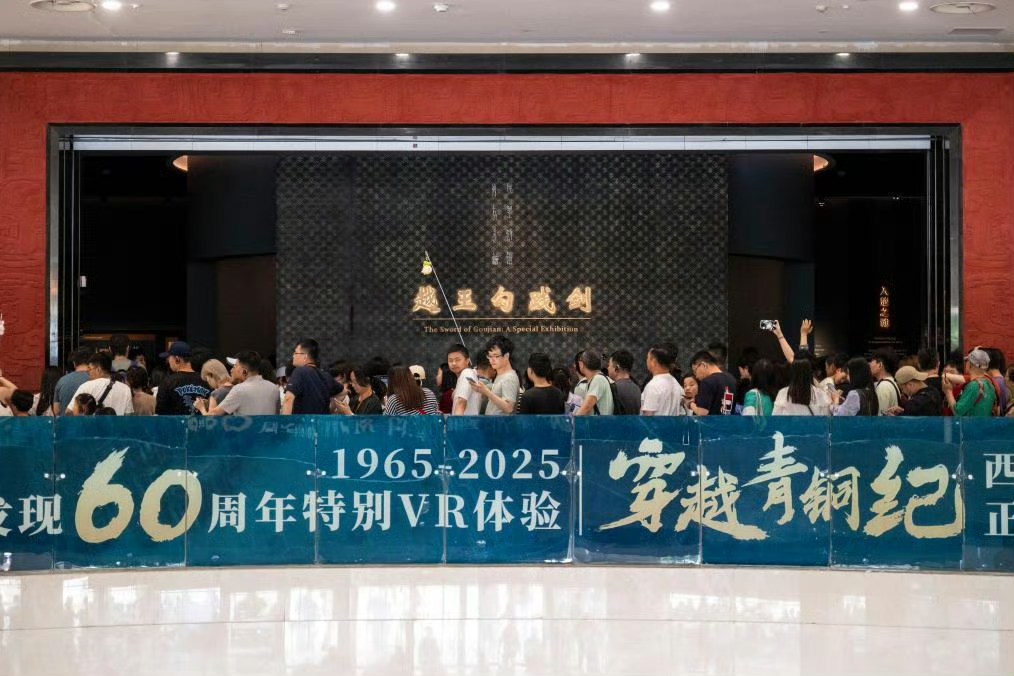
Strategy: We studied daily museum traffic and estimated the VR experience’s daily capacity based on venue size, equipment, and staffing. Converting visitors already on-site would reduce commissions and improve margins, so we secured a permanent placement on the museum mini program’s home screen, installed signage at about 30 locations, and placed a large QR-code banner outside the Sword of Goujian gallery. Online messaging focused on family outings and tourism, while signage guided on-site visitors to buy tickets directly. Starting with the summer break, a VR ticket also removed the need for a separate museum reservation. The team moved the opening from Children’s Day to April 29 while maintaining quality, using the launch event to drive early ticket sales and coverage.
04 / CHAPTER
Launch and Campaign Results
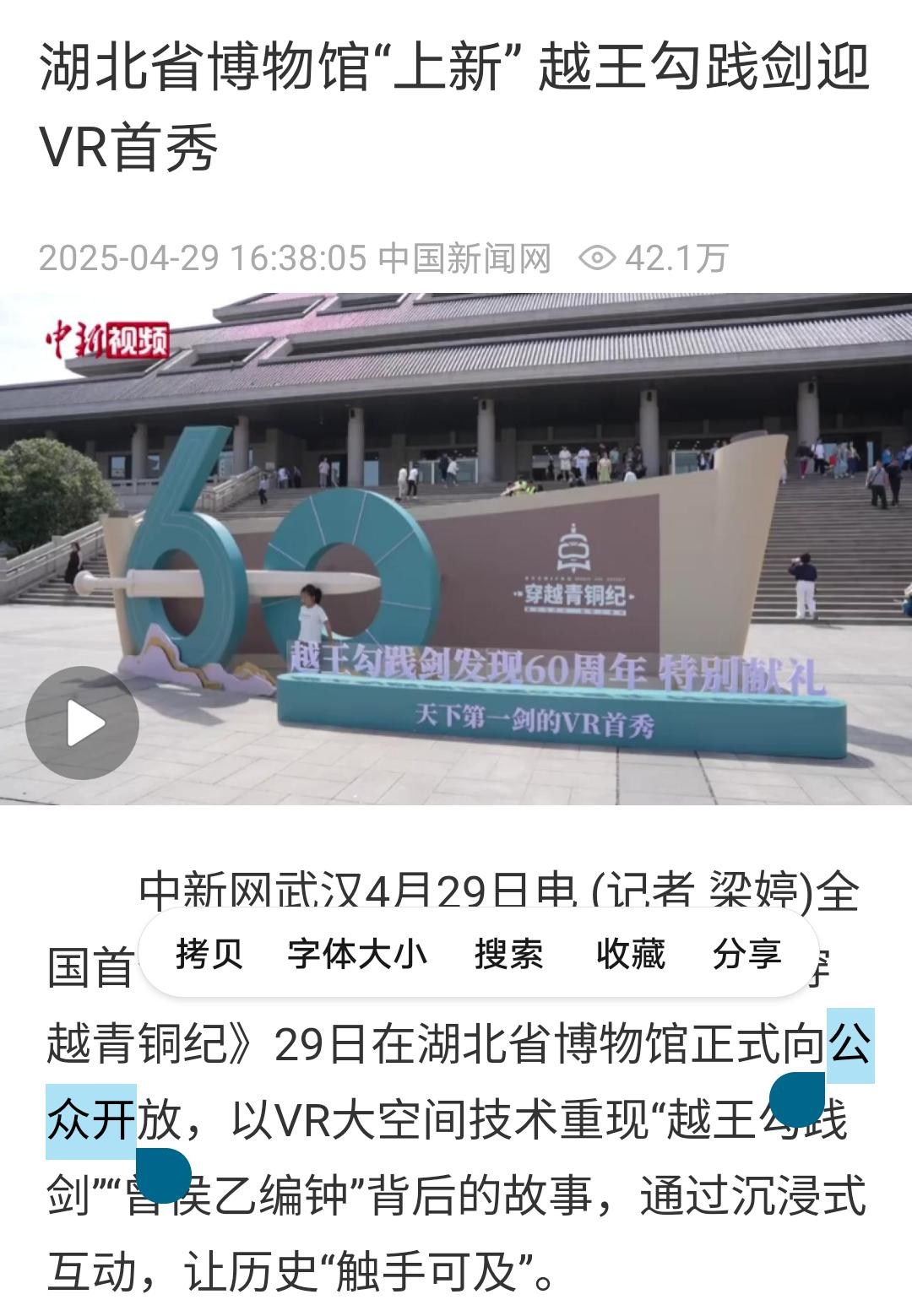
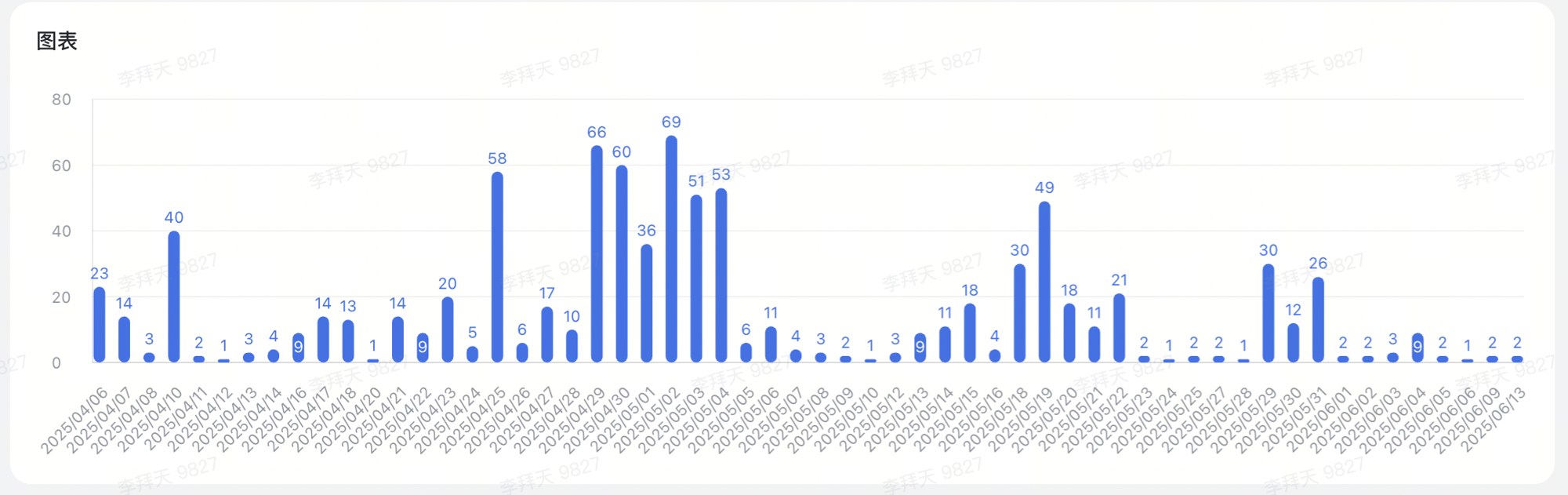
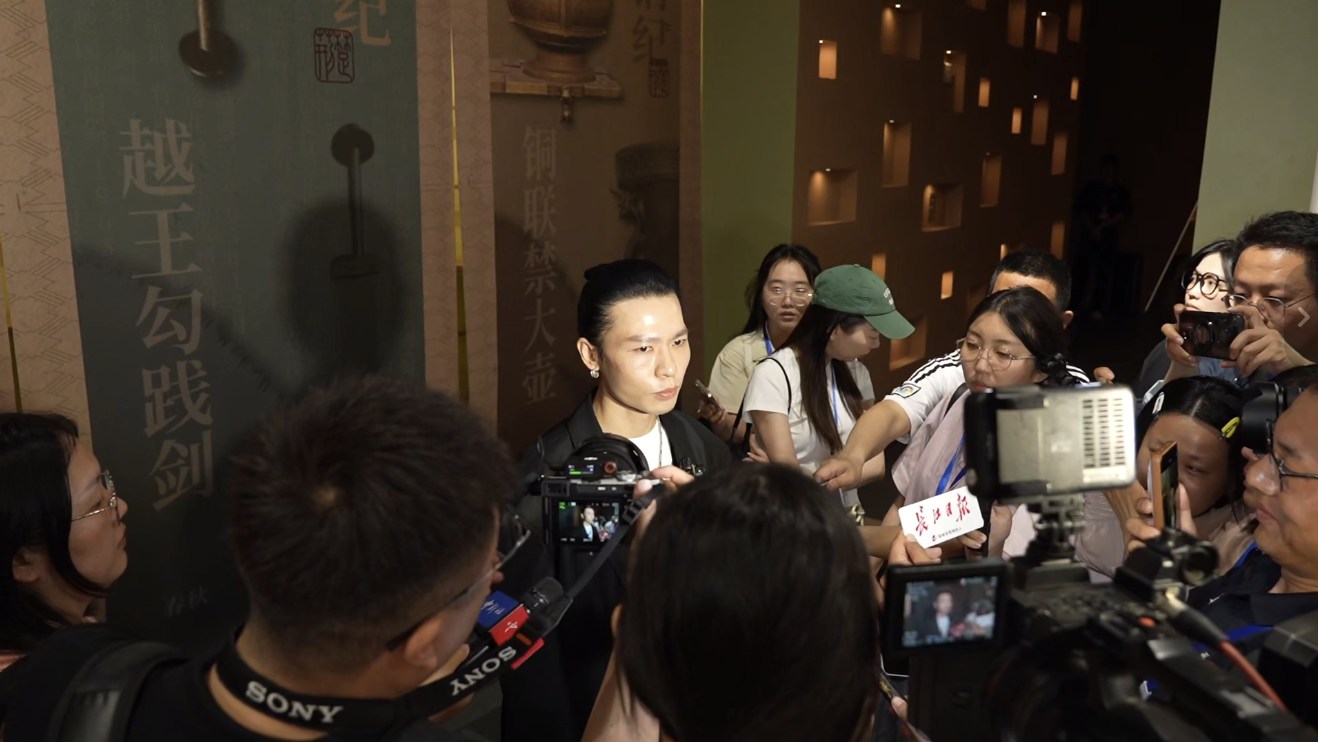
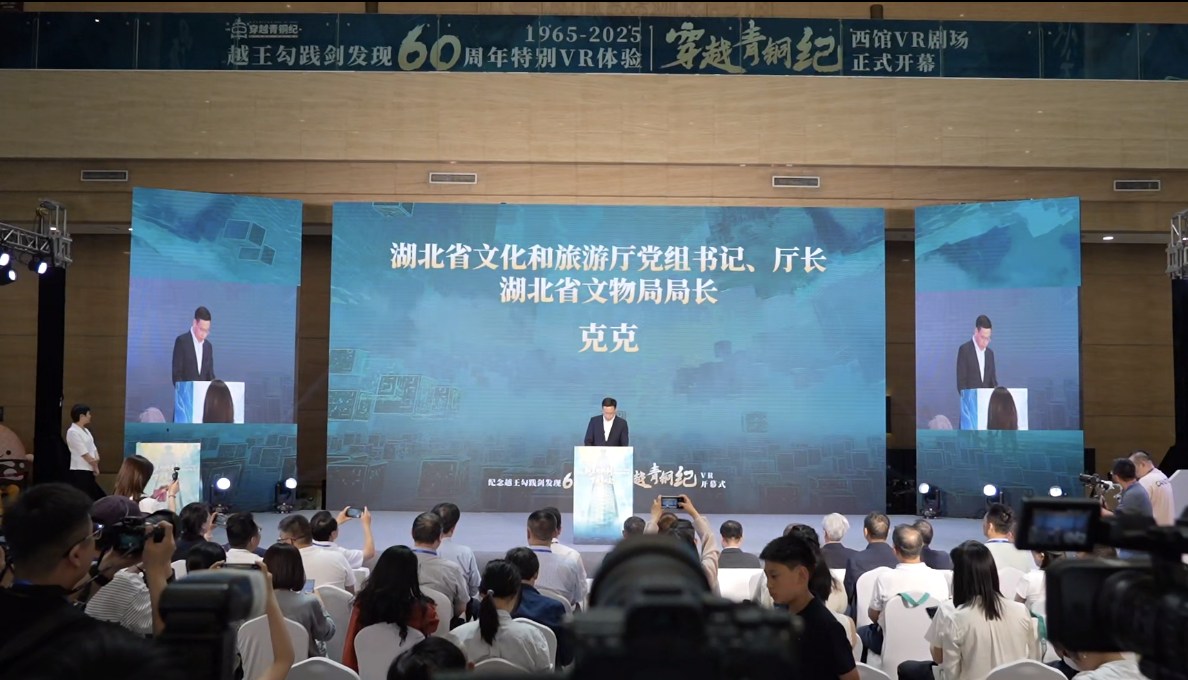
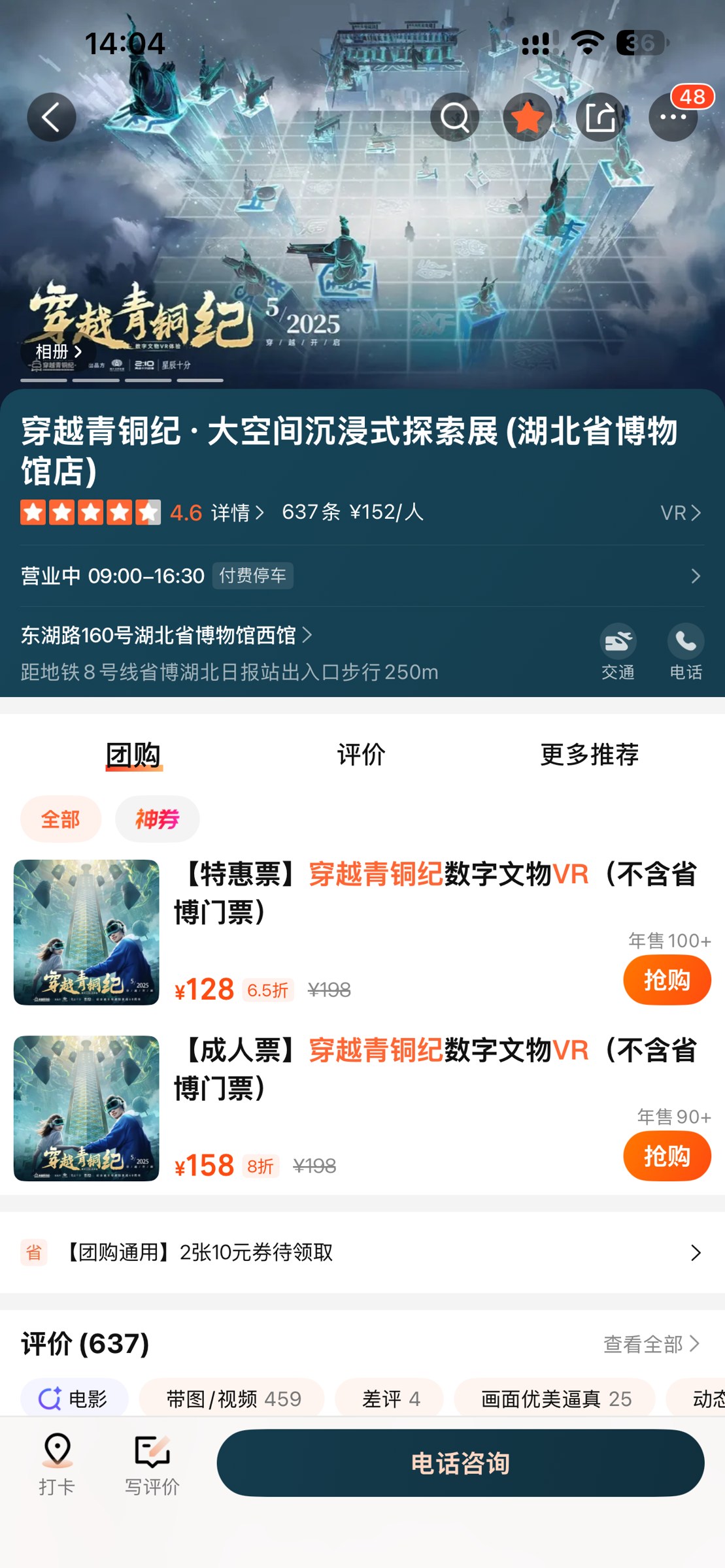
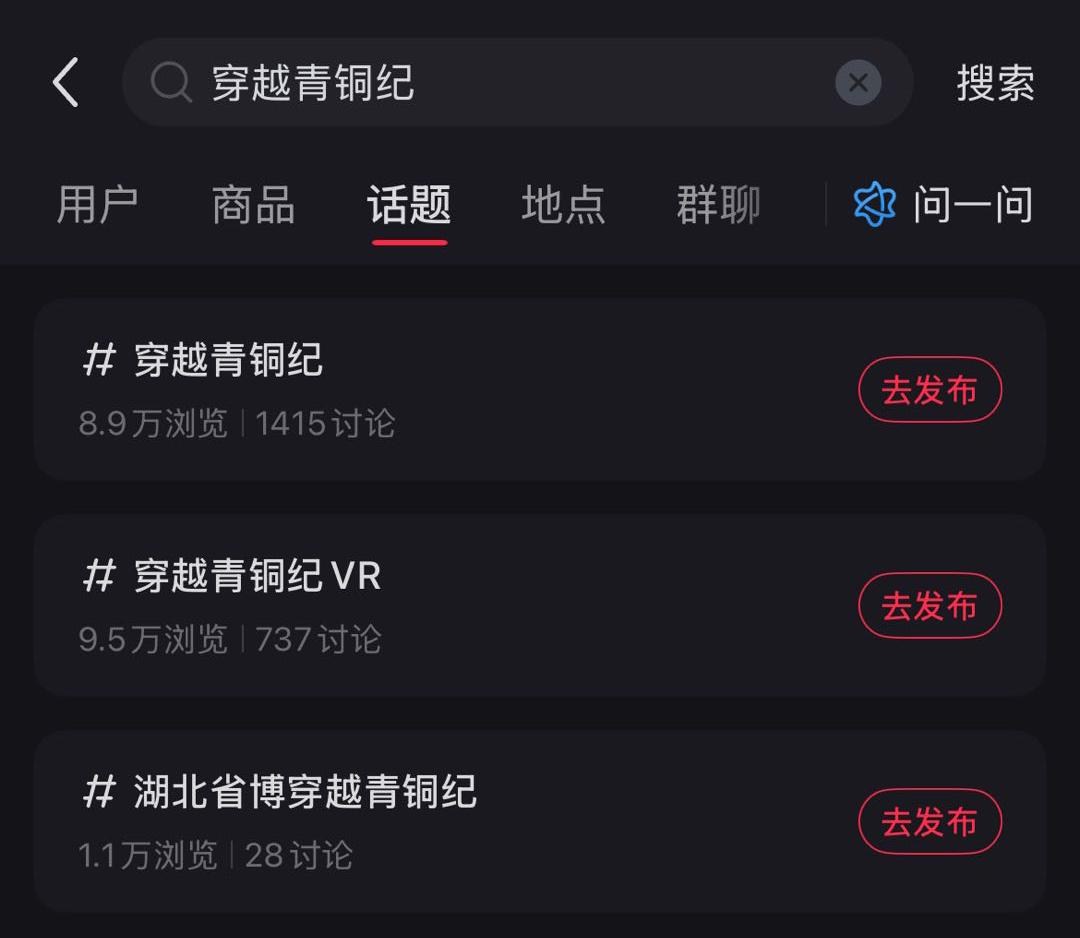
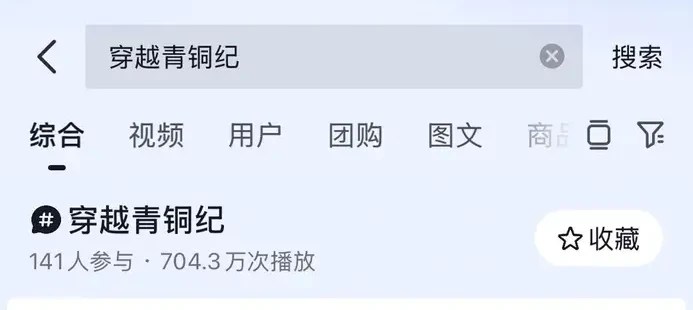
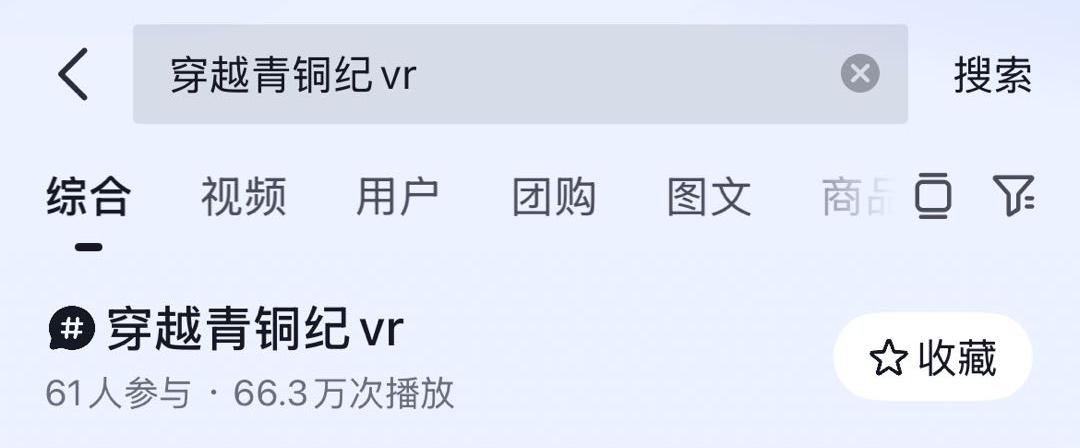
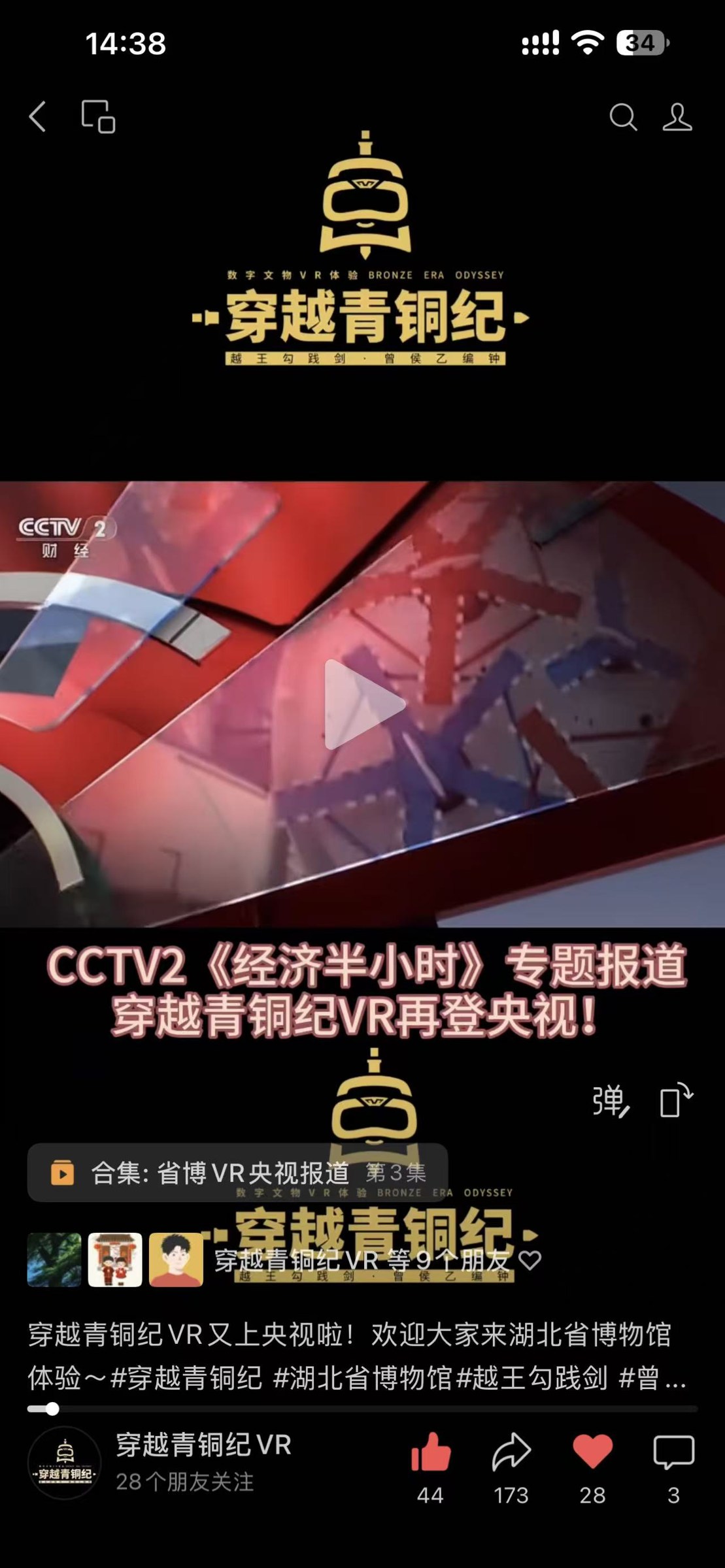
Results: First-month ticket sales came in about 15% above target, with monthly sales rising 30% month over month over the following quarter. The vast majority came through commission-free on-site channels, with smaller shares from Douyin, Dianping, and Meituan. In the first month, owned channels generated over 14 million impressions, excluding 882 reports from official media outlets, including CCTV News and Focus Report. We delivered the full campaign within budget and exceeded expectations.
05 / PROJECT RECORDS
Project Media